
Birth, Lineage, and Self-Fashioning
Wolf HallThis thread traces the novel’s repeated contest between inherited pedigree and the identity a person makes through action.
increasing Bearing strength in each event
 decreasing
Bearing strength in each eventdecreasingThe Blacksmith’s Son
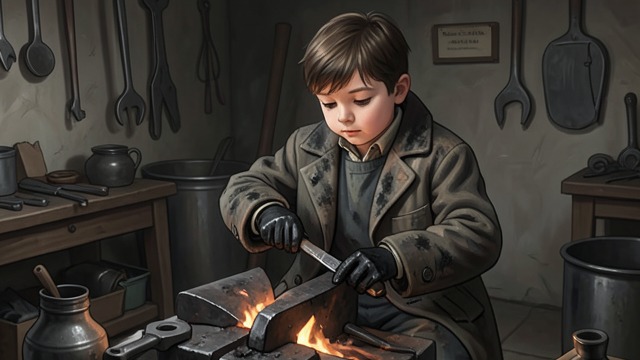
Rank and Invention
An obscure beginning
Cromwell grows up without a secure genealogy, under a father who invents claims to lost lands and noble descent. The boy learns that a name can be both weapon and fiction.
Another form of inheritance
He acquires practical skills, language, and memory rather than an inherited title. These become the materials from which he constructs a place in the world.
The Name Cromwell
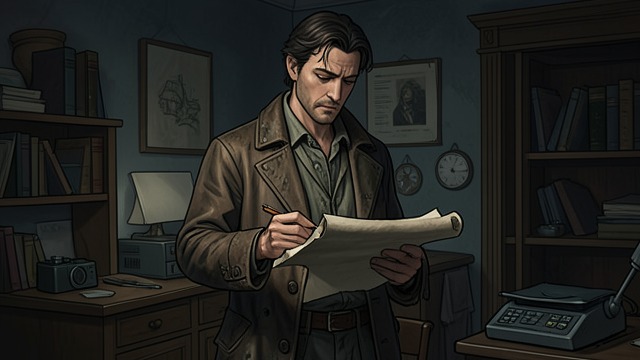
A Family’s Chosen Name
Welsh and Tudor stories
Richard Williams asks whether he should use Cromwell’s name. The family’s possible Tudor connections and Morgan’s stories of Welsh princely descent make lineage both a joke and a serious question.
Identity as action
Cromwell argues that a name matters because people choose and use it. He offers Richard a relationship grounded in care rather than an unquestioned claim to blood.
A Self-Made Courtier
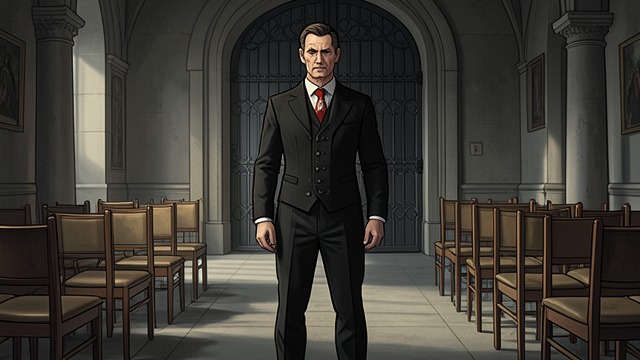
Office Without Ancient Blood
Status earned
Cromwell rises through service, law, money, and political judgment despite repeated attacks on his low birth. The king’s favour gives him offices that older families regard as improper.
A fragile construction
He refuses to borrow another family’s arms, yet understands that reputation is continually rewritten. His identity is neither secure nobility nor simple self-invention, but an ongoing negotiation with power.
Putney, around 1500
1530
1534–1535
